
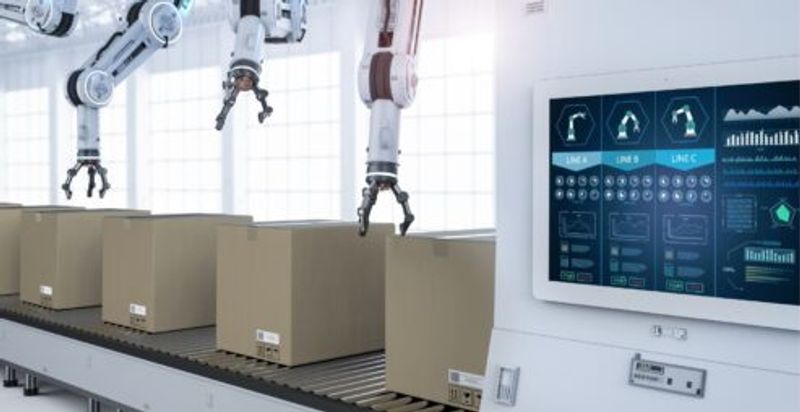
Visual recognition, a subset of artificial intelligence (AI), has transformed how we interpret and analyze visual data. This technology powers computers to mimic human vision, understanding images and videos in a way that used to be impossible. In today's business landscape, visual recognition is a key differentiator. Companies can process vast amounts of visual data with unmatched speed and accuracy. This is changing industries for the better, from retail to healthcare.
Learn more about this transformative technology at Flexible Vision.
The Evolution of Visual Recognition Technology
The journey of visual recognition technology has seen huge milestones. From early image recognition software to advanced deep learning models, each innovation has expanded the capabilities of visual recognition, making it more accurate and versatile.
Now, AI visual recognition systems are more sophisticated than ever. They incorporate algorithms that can detect, classify, and respond to visual data in real time, opening new possibilities in many industries.
Applications Across Important Industries
Visual recognition is revolutionizing retail, e-commerce, and semiconductor manufacturing, improving customer experiences and streamlining quality control in production.
Retail & E-commerce
Reshaping customer experiences through visual search capabilities and personalized product recommendations.
Semiconductor Environments
Enhancing x-ray inspection accuracy and soldering quality control for efficient production.
Manufacturing & QC
Detecting product defects, reducing waste, and increasing efficiency through visual data analysis.
3 Key Features and Advantages
Visual recognition systems offer unmatched precision and accuracy, revolutionizing real-time processing and scalability across many industries.
- check_circlePrecision and Accuracy: High-fidelity image recognition ensures that even the tiniest details are captured and analyzed accurately.
- check_circleReal-time Processing Capabilities: The ability to process visual data in real time supports instant decision-making and dynamic responses.
- check_circleScalability and Efficiency: Designed to handle large datasets efficiently, optimizing resource utilization and maximizing ROI.
Implementing State-of-the-Art Visual Recognition
Implementing state-of-the-art visual recognition technology in a business setting requires a strategic approach.
Data Collection & Preparation
Gather a comprehensive dataset that accurately reflects the visual scenarios the AI system will encounter.
Model Selection
Choose a model that balances accuracy, speed, and computational resources effectively.
Integration
Integrate the chosen model into existing systems with technical expertise.
Measuring ROI and Competitive Impact
Measuring ROI involves looking at factors such as manual labor cost reduction, process efficiency improvements, and sales increases. Competitive benchmarking helps businesses understand their market position.
Bottom Line
In summary, the advantages of visual recognition in the business world are vast and varied. From enhancing precision and efficiency to providing real-time insights, this technology is a cornerstone in the digital transformation of many industries.
At Flexible Vision, our team each comes from 20+ years in the automation and vision world and has experienced all the pain points of implementing traditional vision systems on production lines.